

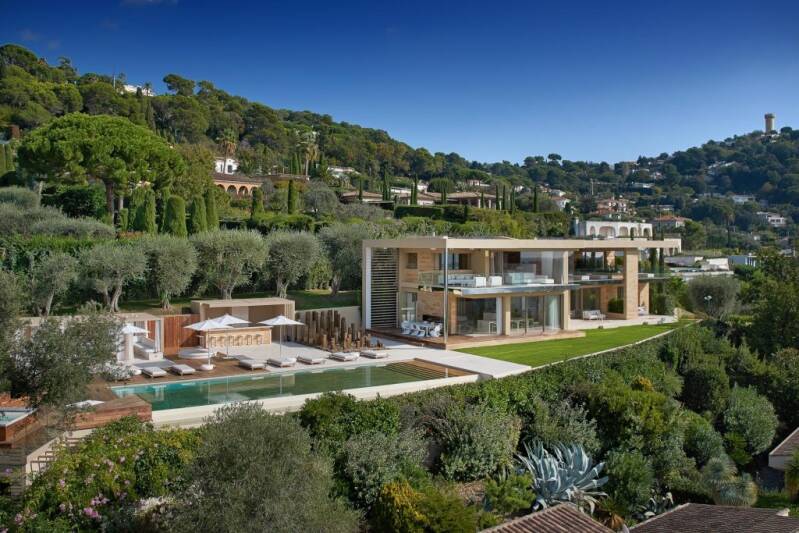
Many luxury residences are occupied for only part of the year.
Operationally, however, they never truly sleep.
A villa may remain empty for months while maintenance systems continue running, gardens require attention, suppliers need supervision and security remains critical.
This creates one of the least visible challenges in private estate management:
How do you maintain a property at the same standard when nobody is there?
1. An Empty Property Is Still an Active Asset
Vacancy does not eliminate risk.
Water systems, humidity, climate control, pools, landscaping and security all require monitoring.
Small technical problems can become significant precisely because nobody is present to notice them immediately.
A structured absence protocol is therefore essential.
2. Arrival Preparation Starts Long Before Arrival
Luxury service begins before the owner's car reaches the gate.
The residence may require technical testing, deep cleaning, provisioning, temperature adjustment, vehicle preparation and coordination with household staff.
The objective is that the owner never sees the preparation.
They simply arrive home.
3. Visibility Matters More During Absence
When owners are thousands of kilometres away, trust becomes essential—but visibility strengthens that trust.
Structured maintenance records, intervention histories and concise reporting provide reassurance that the property remains properly managed.
Owners should not need constant messages.
They should know that relevant information is available when required.
4. Every Residence Needs an Absence Strategy
Seasonal properties require clear opening, closing and inspection procedures.
These should define responsibilities, inspection frequency, maintenance requirements and escalation processes.
Consistency during absence protects both the asset and the next owner experience.
Conclusion
A luxury property should not only perform when the owner is present.
It should be protected every day of the year.
The best estate operations therefore treat absence not as inactivity but as another operating mode—one designed around prevention, preparation and quiet oversight.
Knowledge Base
Q: How should a luxury property be managed when the owner is away?
A: Through structured inspection, preventive maintenance, security monitoring, documented procedures and planned preparation before the owner's return.
Q: Why are vacant luxury properties operationally vulnerable?
A: Technical, environmental or security problems can develop unnoticed during long periods of absence, making regular monitoring essential.